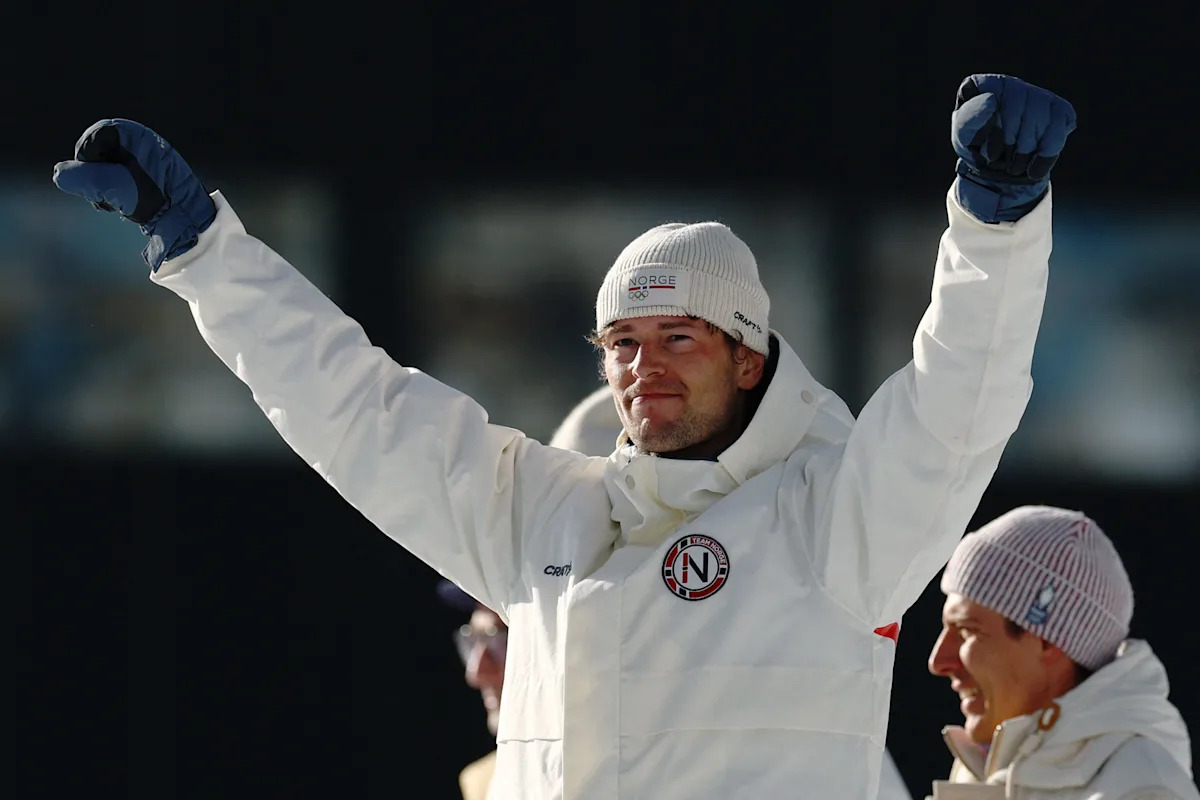
Laegreid Wins More Medals After Cheating Scandal Admission at Milano Cortina 2026
The 2026 Winter Olympics in Milano Cortina have delivered their usual quota of thrilling athletic feats, unexpected victories, and heartbreaking defeats. Yet, few stories have captivated global attention quite like that of Norwegian biathlete Sturla Holm Laegreid. What makes his journey particularly compelling isn't just his impressive medal haul, but the raw, emotional confession that preceded it: an admission that he
cheated on his girlfriend. This unique blend of personal turmoil and elite performance has left spectators and pundits alike grappling with questions of morality, mental resilience, and the relentless pressure on modern athletes.
Despite the heavy weight of a very public revelation, Laegreid has continued to demonstrate extraordinary focus and skill, adding more medals to his already illustrious career. His story offers a rare glimpse into the complex intersection of an athlete's private life and their public pursuit of glory, highlighting how profound personal struggles can paradoxically coexist with, or even fuel, peak professional achievement.
The Unconventional Confession: When Personal Life Intersects Olympic Dreams
The world first learned of Laegreid's personal struggles following his bronze medal win in the men's 20km biathlon. In a stunning post-race interview with a Norwegian television station, the 28-year-old athlete, visibly emotional and struggling to hold back tears, revealed that he had cheated on his now-former girlfriend. He described the woman as "the love of his life, the most beautiful and kindest person" and explained that he had confessed his infidelity to her just a week prior to the start of the Games. This admission quickly went viral, setting off a whirlwind of discussion across social media and news outlets.
Laegreid's candidness was remarkable. He spoke openly about how the revelation had deeply affected him, stating that "sport has taken a bit of a back seat these past couple of days," and expressing a profound desire to restore their relationship. He acknowledged the public scrutiny he would face, saying, "I’m sure many people now see me in a different light, but I only have eyes for her." This raw, unprompted confession immediately shifted the narrative from a typical Olympic success story to a deeply human drama, showcasing the immense emotional burden carried by an athlete striving for reconciliation while simultaneously competing on the world's biggest stage. It was an unprecedented moment, forcing the audience to consider the personal cost behind the polished image of an Olympic medalist. For more details on this pivotal moment, read
Sturla Laegreid's Viral Olympic Cheating Confession.
Medals Amidst Turmoil: Laegreid's Remarkable Performance
What makes Laegreid's story truly astonishing is not just the confession itself, but his subsequent performance. Just days after his initial bronze in the 20km individual race—where Johan-Olav Botn of Norway took gold and Eric Perrot of France silver—Laegreid returned to the podium. He secured another bronze medal in the men's 10km sprint, further solidifying his position as a formidable competitor despite the mental weight of his personal situation.
The pinnacle of his recent achievements came on Sunday, February 15th, when Laegreid claimed a silver medal in the men's 12.5km biathlon pursuit, finishing just behind Sweden's gold medalist Martin Ponsiluoma. This third medal underscored an almost superhuman ability to compartmentalize and perform under extraordinary pressure. He had previously won a gold medal as part of Norway's biathlon relay team at the 2022 Winter Olympics and holds six world championship titles, proving his long-standing pedigree in the sport.
His consistent medal wins raise fascinating questions about human resilience and the psychology of elite athletes. How does one channel such intense personal pain and public scrutiny into peak physical and mental performance? Laegreid himself offered a glimpse into his mindset after Friday's race, stating, "I have tried not to be affected by it." This suggests a conscious effort to separate his personal turmoil from his professional focus, a testament to his mental fortitude and dedication to his sport, even when his heart was clearly elsewhere.
Navigating the Aftermath: Public Scrutiny and Personal Redemption
Laegreid's decision to go public with his infidelity was a deliberate one, made with the hope of conveying the depth of his regret and his desire to mend the broken relationship. "It was the choice I made," he said, reflecting on his interview. "We make different choices during our life, and that’s how we make life. So today I made a choice to tell the world what I did, so maybe, maybe there is a chance she will see what she really means to me. Maybe not." He concluded, "But I don’t want to think I didn’t try everything to get her back."
This transparency, while highly unusual for an Olympic athlete, has opened up a broader conversation about accountability, public image, and the boundaries of privacy for sports figures. While some admire his honesty and courage, others question the timing and potential "selfishness" of such a public declaration during the Games. Laegreid himself voiced this concern, stating, "Now I hope I didn’t ruin Johan’s day... Maybe it was really selfish of me to give that interview. I’m not really here, mentally." His conflicting emotions underscore the human element behind every medal, every record, and every public appearance. The Olympic stage, typically a platform for celebrating athletic excellence, has become, in Laegreid's case, a very public confessional and a battleground for personal redemption.
Lessons from Laegreid: Athlete Mental Health and Personal Responsibility
Sturla Holm Laegreid's journey at the 2026 Winter Olympics transcends mere sporting achievement. It offers valuable insights into the multifaceted lives of elite athletes and the complex interplay of personal choices, mental resilience, and public perception.
*
The Weight of Confession: Laegreid's story highlights the profound impact of internal guilt and the potential catharsis of honesty. While his choice was unconventional, it underscores the human need to confront personal failings, even when painful and public.
*
Mental Toughness in Sport: Performing at an Olympic level requires immense mental strength. Laegreid’s ability to win medals despite significant personal anguish serves as a compelling case study for sports psychologists on how athletes manage stress, compartmentalize emotions, and maintain focus under pressure.
*
Impact of Personal Choices: His experience is a stark reminder that an athlete's life extends far beyond the arena. Personal decisions, particularly those involving trust and relationships, can have a tangible effect on their mental state and, by extension, their performance. The intense scrutiny that comes with being a public figure amplifies these consequences dramatically.
*
Public vs. Private Life: In the age of social media and instant news, the line between an athlete's public persona and private life is increasingly blurred. Laegreid’s confession ignited debates on what the public is entitled to know and the ethical considerations of sharing deeply personal struggles on a global stage.
*
Seeking Support: While Laegreid's confession was self-initiated, his experience subtly underlines the importance of mental health support for athletes. The immense pressures they face, both on and off the field, demand robust systems to help them navigate challenges that extend beyond training and competition.
Laegreid’s Olympic saga is far from over, both in terms of his athletic career and the resolution of his personal life. What remains clear, however, is that his performance at the 2026 Milano Cortina Games will be remembered not only for the medals he won but for the profound, human drama that unfolded alongside them. His story is a poignant testament to the fact that even on the grandest stages, athletes are, first and foremost, complex individuals navigating the messy realities of life, love, and personal responsibility.