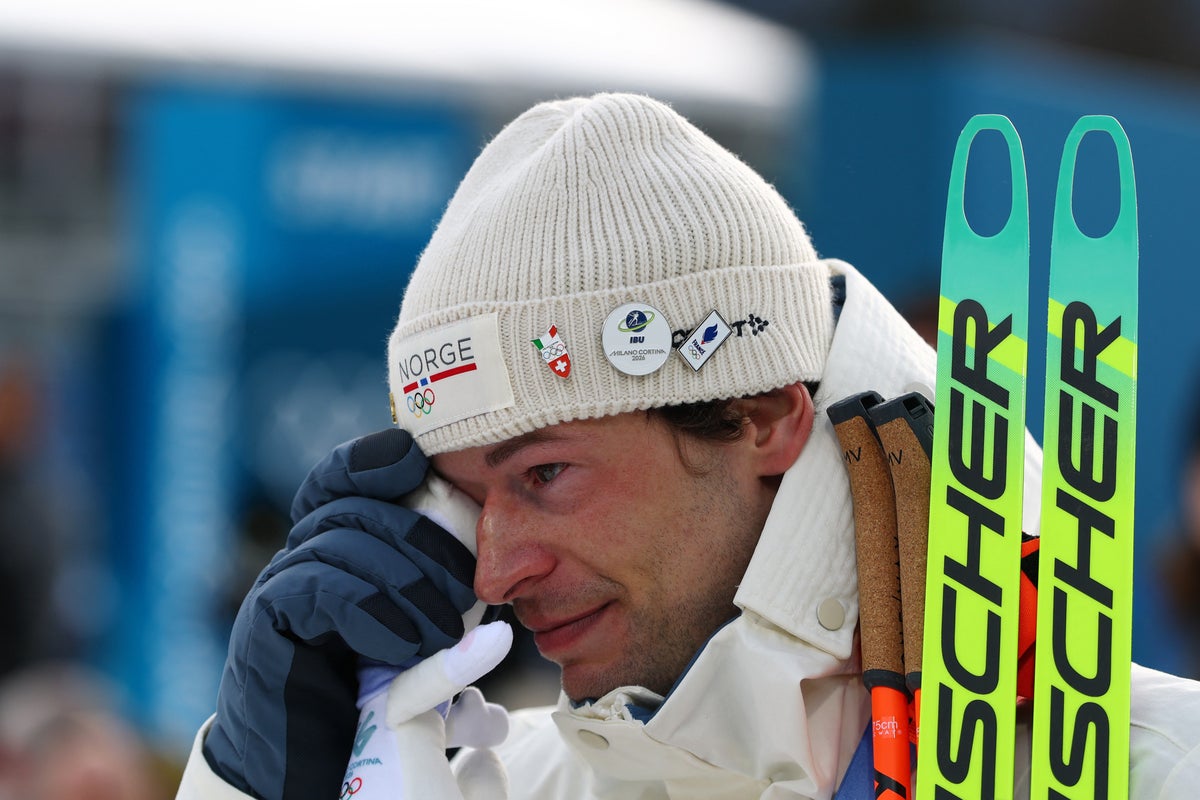
Sturla Laegreid's Viral Olympic Cheating Confession: A Biathlon Star's Emotional Unburdening
The world of elite sports often serves as a stage for incredible feats of athleticism, inspiring triumphs, and heartbreaking losses. However, the 2026 Winter Olympics in Milano Cortina witnessed a truly unprecedented moment when Norwegian biathlete Sturla Holm Laegreid, fresh off winning a bronze medal, turned his post-race interview into a raw, emotional confession of infidelity. This candid admission of how the
Olympic biathlete confessed his infidelity, particularly the revelation that he
Olympics cheated on girlfriend, sent shockwaves through the sports world and captivated audiences far beyond the realm of biathlon.
Laegreid's story became a stark reminder that even the most disciplined athletes grapple with intensely personal struggles, and sometimes, those struggles spill into the public eye in the most unexpected ways. His emotional revelation wasn't just a personal anecdote; it ignited a global conversation about honesty, regret, the pressures of fame, and the complex interplay between an athlete's private life and their public performance.
The Unforgettable Confession at Milano Cortina
The scene was set: Sturla Holm Laegreid, a 28-year-old biathlon phenom already a veteran of Olympic gold and multiple world championships, had just secured a bronze medal in the men's 20km biathlon individual race. It was a commendable achievement, typically followed by standard questions about race strategy, snow conditions, and future aspirations. What transpired, however, was anything but typical.
During an interview with a Norwegian television station, Laegreid, visibly emotional and struggling to hold back tears, delivered an unprompted and deeply personal confession. He revealed that he had cheated on his now-former girlfriend, whom he described as "the love of my life, the most beautiful and kindest person," approximately six months prior. He explained that he had informed her of his infidelity only a week before the Olympics began, plunging both of them into what he described as "the worst week of my life."
"I’m sure many people now see me in a different light, but I only have eyes for her," Laegreid reportedly stated, acknowledging the public perception shift his admission would cause. He candidly admitted that his personal turmoil had overshadowed his Olympic aspirations, stating, "Sport has taken a bit of a back seat these past couple of days. I wish I could share this with her." His words painted a picture of a man consumed by regret, hoping that his public act of contrition might somehow pave a path to reconciliation. The honesty was disarming, turning a celebration of athletic prowess into a poignant moment of human vulnerability.
Beyond the Confession: A Medal Haul Amidst Personal Turmoil
What makes Laegreid's story even more extraordinary is not just the confession itself, but what followed. Despite the immense personal pressure and the global spotlight his admission generated, the Norwegian biathlete continued to perform at an elite level. Just days after his initial confession, he went on to claim another bronze medal in the men's 10km sprint. Even more remarkably, he secured a silver medal in the men's 12.5km biathlon pursuit, finishing behind Sweden's Martin Ponsiluoma. This consistent medal-winning performance, even as his personal life became front-page news, is a testament to his mental fortitude and exceptional athletic skill.
His ability to compartmentalize and deliver under such unique circumstances is truly astonishing. "I have tried not to be affected by it," Laegreid told reporters after one of his subsequent races, a statement that underscores the incredible mental discipline required to compete at the Olympic level. For many, the weight of such a public admission, coupled with intense media scrutiny, would be crippling. Yet, Laegreid, a six-time world champion and a gold medalist from the 2022 Winter Olympics, demonstrated an uncanny ability to focus when it mattered most. His continued success after the initial shock serves as a compelling narrative, showing how he was able to win
Laegreid Wins More Medals After Cheating Scandal Admission.
The Psychology of a Public Apology: Why Confess on Such a Stage?
Laegreid's decision to confess his infidelity during a live Olympic interview raises profound questions about his motivations. Why would an athlete choose such a high-profile, global stage for such a deeply personal revelation?
1.
Desperation and Regret: His emotional state suggested genuine anguish. It's plausible that he saw the immense platform of the Olympics as a final, desperate plea to his ex-girlfriend, hoping that a public display of contrition might convey the depth of his remorse in a way private conversations couldn't.
2.
Seeking Forgiveness: By acknowledging his wrongdoing to the world, he might have hoped to demonstrate his honesty and commitment to rectifying his mistake, not just to her, but also to himself.
3.
Unburdening Himself: The mental toll of carrying such a secret, especially while competing at the highest level, could have been immense. Confession, even if public, can be a form of catharsis. He expressed that he was "not really here, mentally" before the confession, indicating the heavy burden he was carrying.
4.
Impact on Performance: The personal turmoil was clearly affecting his focus. By bringing it into the open, perhaps he believed it would allow him to confront the issue head-on, or at least acknowledge its presence, rather than letting it fester in secret.
While some might criticize the decision as self-serving or a breach of privacy, Laegreid's words indicated a man wrestling with profound personal anguish, prioritizing his relationship over the conventional decorum of a post-medal interview. It was a choice born from emotional urgency, aiming for a grand gesture in a desperate attempt to repair what was broken.
Navigating Infidelity: Lessons from Laegreid's Story (and Beyond)
Sturla Laegreid's public confession, particularly the raw admission of an
Olympics cheated on girlfriend scenario, offers a unique lens through which to examine broader themes of relationships, honesty, and mental health, especially under the pressures of public life.
*
The Power of Honesty, Even if Painful: While the timing and venue were unconventional, Laegreid's ultimate decision to be truthful, first to his girlfriend and then to the world, highlights the foundational role of honesty in relationships. Infidelity, by its nature, thrives in secrecy. Bringing it into the light, however difficult, is often the first step towards healing, whether that healing leads to reconciliation or the respectful dissolution of a relationship.
*
Athlete Mental Health: Laegreid's story underscores the immense psychological burden athletes carry. Beyond physical training, their mental and emotional well-being profoundly impacts performance. His admission that "sport has taken a bit of a back seat" is a powerful reminder that athletes are complex individuals with personal lives that can deeply affect their professional world. It emphasizes the critical need for mental health support in elite sports.
*
Public vs. Private Lives: In an increasingly connected world, the line between an individual's private life and their public persona, especially for prominent figures, is constantly blurred. Laegreid's choice to air his personal struggles on a global stage sparks debate about the boundaries of celebrity and the responsibilities of media.
For anyone navigating the painful aftermath of infidelity, whether as the person who cheated or the person who was betrayed, Laegreid's story offers a few implicit takeaways:
- Acknowledge and Confess: Honesty, however difficult, is paramount. Avoiding the truth only prolongs pain.
- Understand the Impact: Infidelity causes deep hurt. The path to recovery, if possible, is long and requires genuine remorse and effort from the offending party.
- Seek Support: Whether it's individual therapy, couples counseling, or a trusted confidante, processing the emotional fallout requires support.
- Prioritize Mental Well-being: Regardless of the outcome, both parties need to prioritize their mental health during such a challenging time.
Conclusion
Sturla Holm Laegreid's viral Olympic cheating confession transcended the typical sports narrative. It showcased not only the incredible resilience required to perform at an elite level amidst personal crisis but also the profound human desire for forgiveness and reconciliation. His raw honesty in admitting that he
Olympics cheated on girlfriend during the Games turned a moment of athletic triumph into a deeply personal drama, resonating with millions worldwide. While his story offers no easy answers, it serves as a powerful testament to the complex interplay of human emotions, public scrutiny, and the relentless pursuit of both athletic greatness and personal redemption.